 Loading... Please wait...


Products
Products
Topic of the Month: December Birthstones of Turquoise, (Blue) Zircon, and Tanzanite
Posted by on
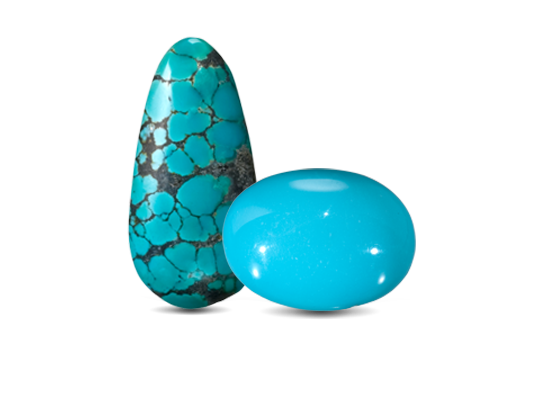
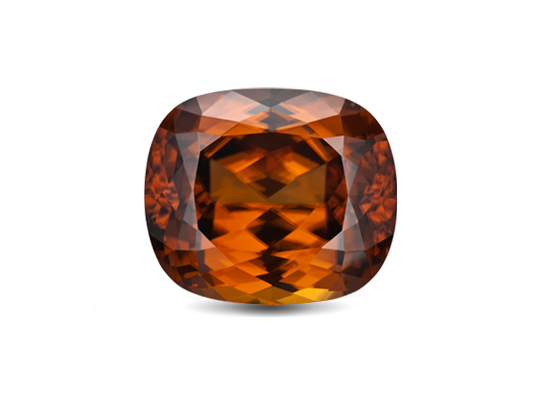
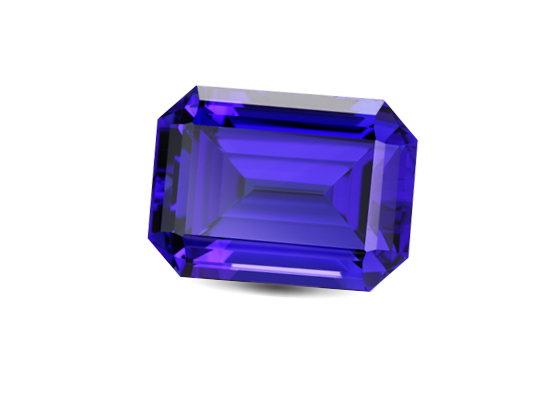
December actually has 3 birthstones: turquoise, blue zircon, and tanzanite. The most apparent similarity is that they are all blue! Interestingly enough, there is quite a range between the 3 of them. Zircon is the oldest stone on earth, while turquoise was one of the first stones to be mined and used in jewelry. Tanzanite is one of the most recent discovered stones in the world. All 3 stones are relatively inexpensive when compared to other gems like diamonds, rubies, and sapphires. In fact, tanzanite and zircon are often used as more affordable alternatives for diamond and sapphire.
Let’s start with some more information on turquoise. Turquoise, while not being the one of the most expensive stones, is one of the most unique stones found anywhere in the world. It is only found in a few different places in the world because it requires very specific conditions to be formed. The necessary conditions are dry, arid regions where the groundwater is acidic and rich in copper, and it seeps downward, reacting with minerals which contain phosphorus and aluminum. The result is a porous compound of hydrated copper and aluminum phosphate, which ranges from semi translucent to opaque. The colors that turquoise comes in can range pretty widely, which can go from a dull green, to a grass green, to a brighter sky blue (a.k.a. “robin’s egg blue"). What people value in turquoise is its rich ancient heritage, and the distinctness of its color. The top source for the sky blue variety is a mine in the Nishapur area of Iran, formally known as Persia. Thus, this color of turquoise is often referred to as “Persian blue,” even if it came from somewhere else. While a lot of turquoise jewelry made now is sleek and modern-looking, turquoise is also well known for its use in traditional Native American jewelry. Many Native American tribes, including the Pueblo, Hopi, Zuni, and Navajo, have been using turquoise for a very long time. Because turquoise is relatively soft, it is a good stone to carve. Many artists throughout the world like to use it to carve out talismans of animals. At just a 5 or 6 on the Mohs scale, the softness of turquoise also means that the stone can be less durable. Finer texture in the stone can make it tougher. When it comes to the value, low porosity and fine texture are more sought after than high porosity and coarse texture.
Now let’s have a look at Zircon:
Zircon is a stone that comes in many different colors, blue being the color for December. Zircon also comes colorless, which is known for its brilliance and light that flashes through it, known as fire. This makes it similar enough to the properties of diamond to make the 2 get confused. Zircon crystals grow in lots of different types of rock, and have a range of optical and physical properties to them. Some zircons (usually green ones) show less of these properties, which scientists believe us due to being broken down by radioactive elements that were present. This directly affects how gemologists classify zircons, as they have 3 types: high, intermediate, and low. Where a stone will classify is directly related to how much radiation damage was done to the stone’s structure. High and intermediate zircons have a full crystal structure, though radioactive elements have caused some damage in intermediate zircons. Low zircons show extensive damage in the crystal structure. Typically only high zircons are used in jewelry, although interestingly enough radiation damage can be somewhat reversed by heating the zircon under high temperatures. Zircon can be found in Tanzania, Madagascar, China, Myanmar, and Cambodia.
And finally, let’s look at Tanzanite:
Like we said earlier – tanzanite is the most recently discovered stone of the December birthstones, being discovered as recently as 1967. It comes from one place and one place only, and that is Tanzania. It obviously gets its namesake from its home country. One of the unique properties of Tanzanite is what is called pleochroism, which is a gemstone’s ability to show different colors when viewed from different directions. Scientific papers, including American Mineralogist, described it as “red-violet, deep blue, and yellow green.” Of course today most gems are heat treated, which reduces the yellow green and brown tones, and brings out the violet and blue tones. Top quality tanzanite can be a violet-ish blue that looks similar to sapphire, or it can be it’s own unique violet hue. Every tanzanite stone has blue and violet pleochroic colors, and can be seen depending on how the stone is tilted and how the light reflects through it. The final color of a given gem depends on a few different factors, including the natural color of the original rough stone, the size, the pleochroic colors the cutter prefers when cutting, and the light the finished gem is viewed under. Cool lighting will emphasize the blue, while warmer lighting will emphasize the purple. Like other stones, tanzanite stones with vivid, intense colors are the most highly sought after, while those with lighter hues are more plentiful and cheaper.
To read more in depth, check out these sources we used:
https://www.gia.edu/turquoise-description