 Loading... Please wait...


Products
Products
4 Diamond Alternatives You Need to Know About
Posted by on
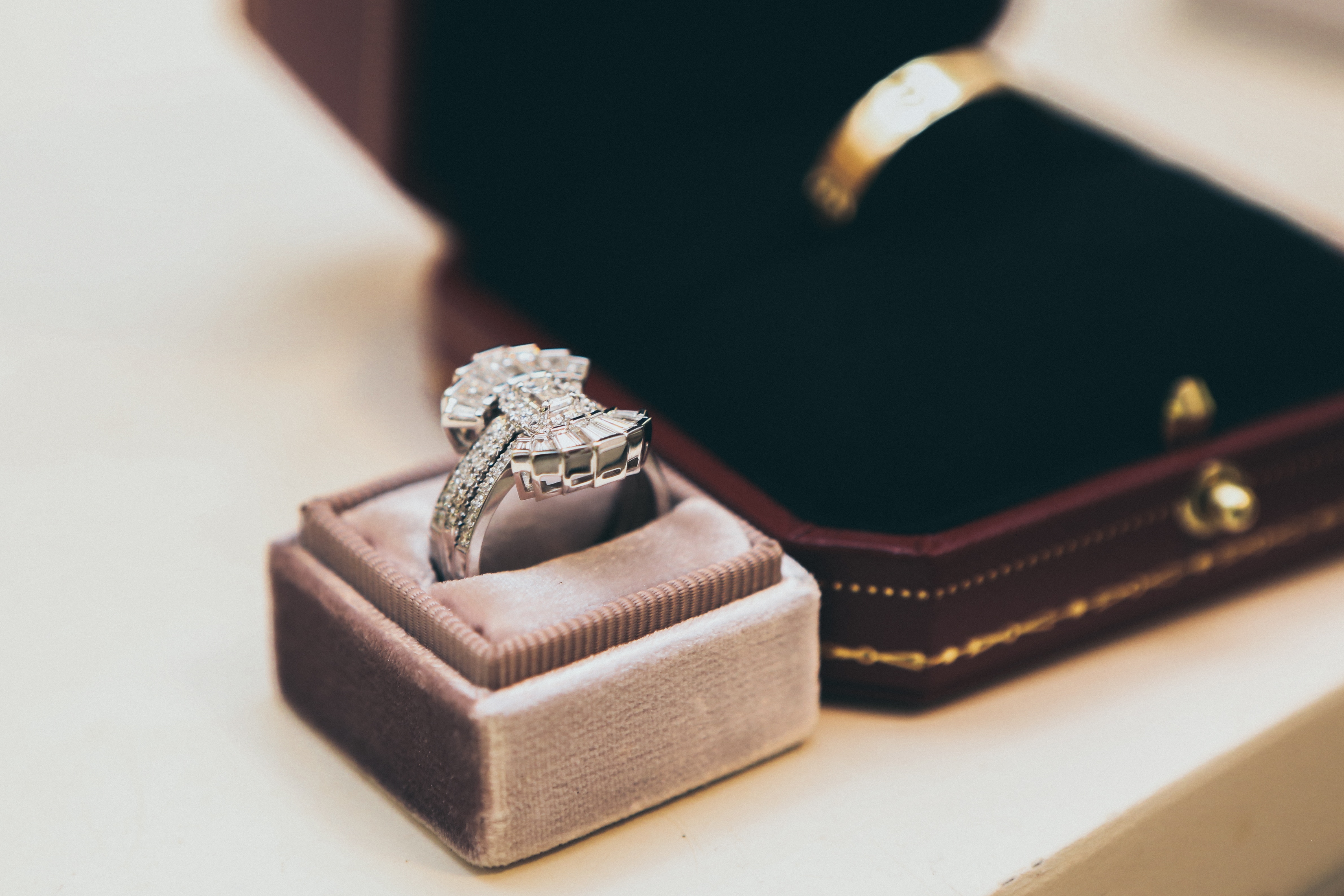
April is known for being the month of diamonds. Thanks to good ole De Beers "A Diamond is Forever" PR campaign during the 1930s, diamonds and engagement have become practically synonymous. However, it doesn't have to be that way. Many people nowadays are beginning to spurn the diamond tradition in favor of other stones. People do it for different reasons, but generally they all boil down to one reason, or a close variation: a desire to be more unique and original. So for those who are looking at some suitable alternatives to diamonds for engagement rings, or for any ring for that matter, read on! We are going to offer up 4 alternatives, though there several more than that. Let's jump in!
1. Morganite
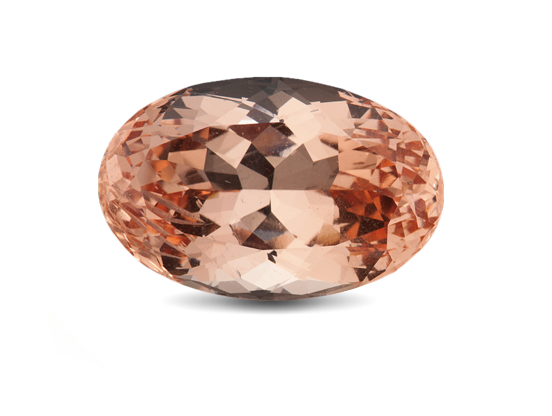
Named for the famous banking titan JP Morgan, morganite is part of the beryl family, which is the same family as emerald and aquamarine. The subtle pinkish, salmon color it possesses comes due to traces of manganese making its way into the crystal structure of the stone. Right now morganite is a trending stone, particularly for use as engagement rings. Because of its light pink tones, it pairs very well with rose gold. Morganite's color can vary depending on how its treated, but the most prized ones are going to be a strong pink color.
2. Aquamarine
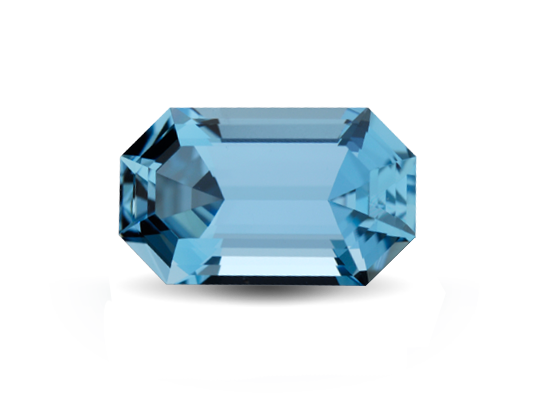
Sticking with the beryl family, aquamarine is a stone literally named "seawater" in latin. It was said to have calmed waves while at sea, and keep those who are sailing the seas safe. Aquamarine is also said to enhance happiness in marriage, making it a natural choice for engagement rings as well (if you are inclined to believe superstitions, of course ;). The factors for quality are a combination of color and clarity. It is not a stone with rich vibrant colors, but rather lighter tones, and sometimes even blue-green-ish hues. There are some that are darker blue, but overall having the fewest inclusions is of high importance when going for a fine stone.
3. Tanzanite
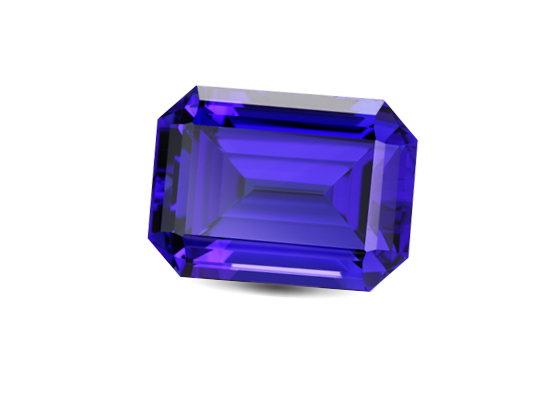
Tanzanite is eponymously named for the country, and only place on earth, where it comes from - Tanzania. Being discovered in the 1960s, it is still considered a very recent discovery. Tanzanite combines a unique blend of violet and blue tones, and its color is rich and deep. One unique aspect of Tanzania is that its perceived color can change depending on how the light is reflecting off it, thus, gem cutters can cut in certain ways to make the spectrum of colors to change from violet-ish blue to blue-ish voilet. Tanzanite looks especially beautiful when paired with white gold.
4. Sapphire
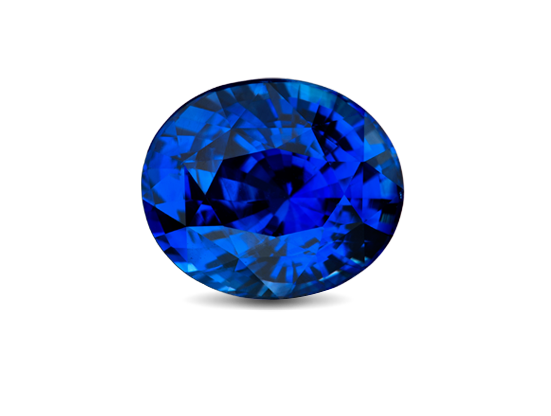
Sapphire is in the corundum family of minerals, along with ruby. You can basically use the name sapphire for any corundum that isn't ruby red. Sapphires come in many many different colors, ranging from blue, to orange, to pink, to green, to yellow, and more. Sapphire does have a famous history, albeit more recent history, for being used as an engagement ring - both Kate Middleton and Princess Diana had sapphire engagement rings. They serve as excellent alternatives to diamond because of the richness of their color, and their overall beauty.
Sources used: