Loading... Please wait...


Products
Products
Resizing Rings: A Quick Guide
Posted by on
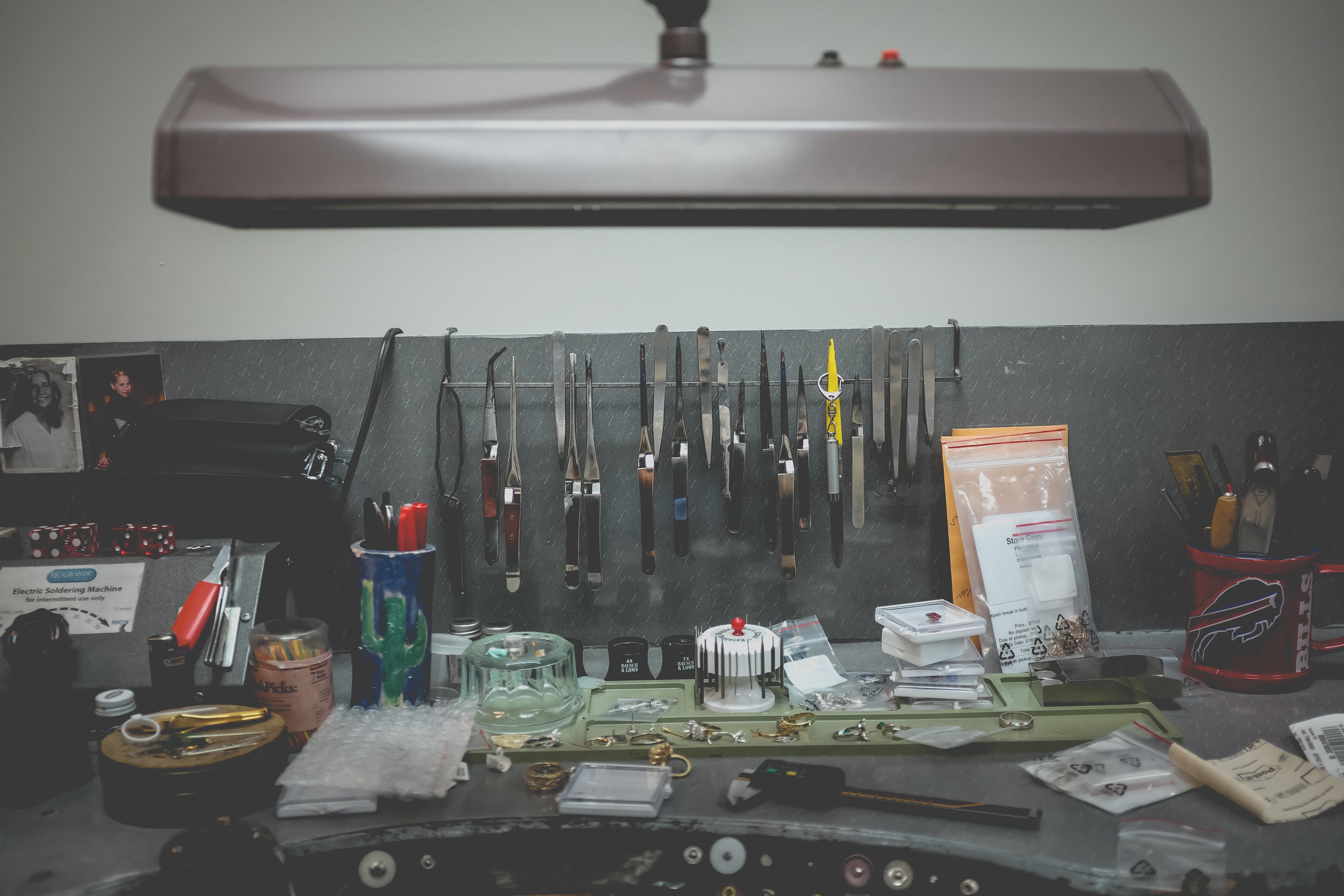
This month we are going to talk a little bit about something that every jeweler deals with: resizing rings. Obviously, what makes rings different than most other jewelry items (not all of course) is that they come in different sizes. Someone who is shopping for a ring may find one they love, but the size isn’t right. It may be just a little too small, or it is just too big. How do you solve this problem? The good news is (most) rings can be resized, whether that means going up or down in size. Before you decide to take your ring to get your ring resized, we’ll cover some basics about how the process works, and what can and cannot be done. This probably goes without saying, but we will say it anyway: this is not a comprehensive guide about ring sizing or how it works – think of this like a basic primer to give you a little more understanding of how a process works, and the potential risks and benefits of it. Ring resizing is a job for a bench jeweler, which means it requires special tools and training. Here we go.
First off, it’s good idea to first determine if a ring sizing is necessary. Excluding the instances where it’s very easy to tell it doesn’t fit one way or the other, think about the rings that fit just a little too tight or loose. Any ring you wear should go onto your finger fairly easily, while taking it off should be a little more difficult. It should brush up against your skin. If indeed your ring is very difficult to remove, or even requires lotion to do so, it’s time to resize. If it slips off when someone gently pulls on it, it’s time to resize.
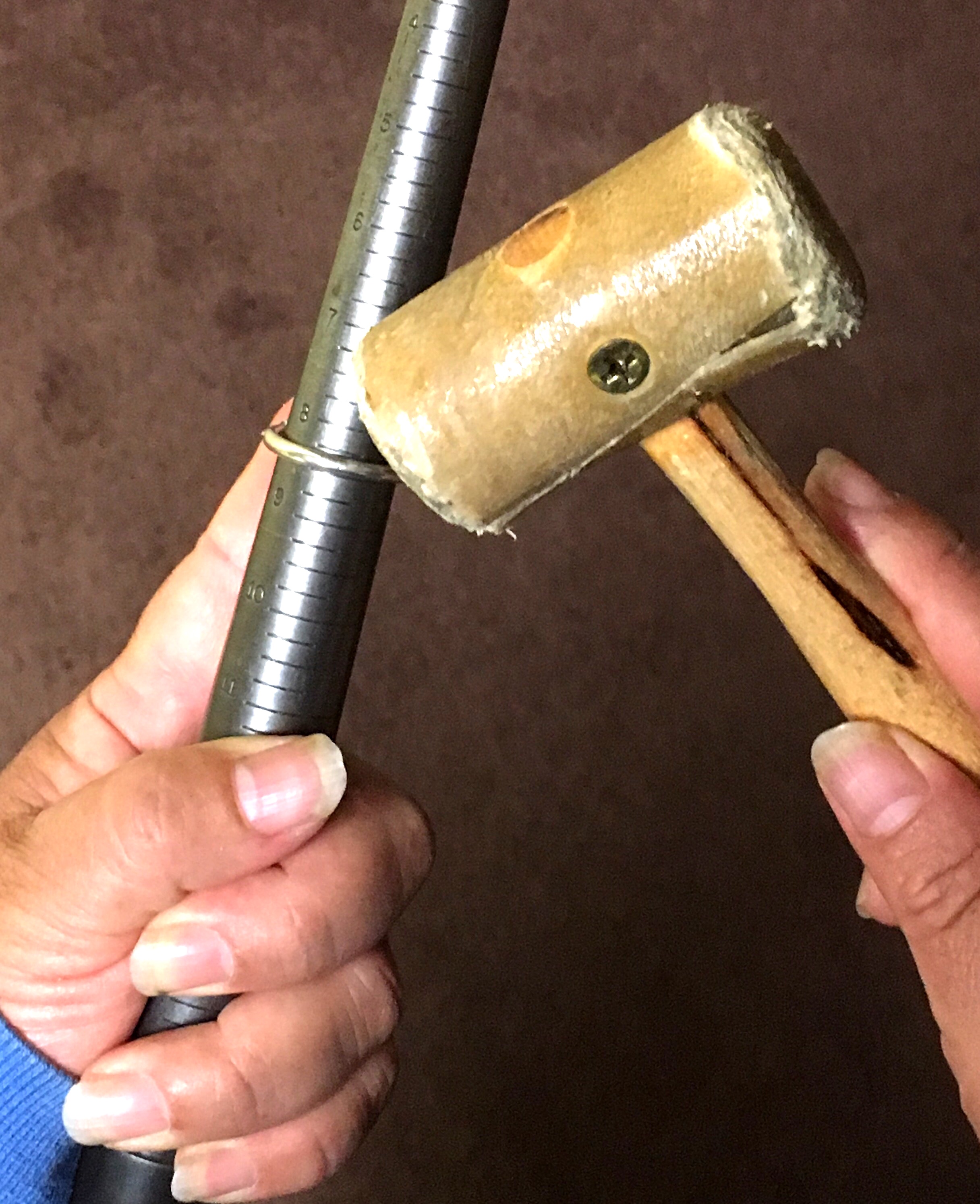
There are 2 different kinds of resizing – making a ring larger and making a ring smaller. I know this is obvious, but bear with me here. First let’s talk about the ways you can resize a ring to make it larger. There are a couple of different methods available for this. If the ring needs to be sized up by about ½ size or less, the easiest and most cost effective method is to simply stretch it out. This can be done with just a ring mandrel and a rawhide mallet. We simply take the ring and place onto the mandrel until it lands on its current size marker. Then we carefully pound the rawhide mallet around the entirety of the band in an even manner, pounding it down until it is enlarged to the desired size. Silver is a flexible enough metal to allow for this. Some rings, such as rings with very delicate thin bands, or with lots of stones and an intricate design, are very risky to size this way. It might be advisable to leave it to a professional jeweler in these cases.
Another method is to actually add extra metal to the band of the ring. To do this, they actually have to cut into the ring’s shank (aka the band) and add more metal to enlarge the ring to the desired size. That sounds simple, but it’s actually a delicate process. This requires the extra metal to be soldered onto it, while at the end making sure there are no visible marks left of the cut.
Next is resizing a ring to make it smaller. There is only one way to make a ring smaller, which generally is easier for a jeweler to do than sizing up, but not always. This process consists of the jeweler cutting a small portion of the shank and then soldering the two remaining ends together to form the newly sized band. Rings with stones in the band are trickier to size down, but very experienced jewelers can handle the job without damaging the ring. If a ring only needs to be sized down by one size, or maybe even up to 2, then perhaps a ring guard could do the job.
There you have it! Those are just very basic and brief overviews of how rings get resized, whether up or down. Remember that resizing a ring can be a delicate and complex task, so enlisting the services of a seasoned jeweler is the way to go.
To read more in depth, check out these sources we used:
https://www.dmia.net/the-ultimate-guide-to-ring-re...