 Loading... Please wait...


Products
Products
Topic of the Month: Topaz and Citrine
Posted by on
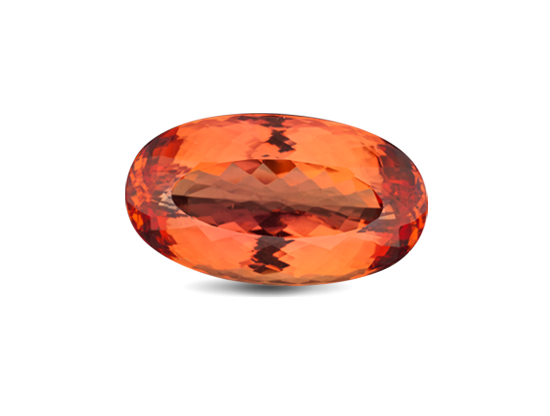
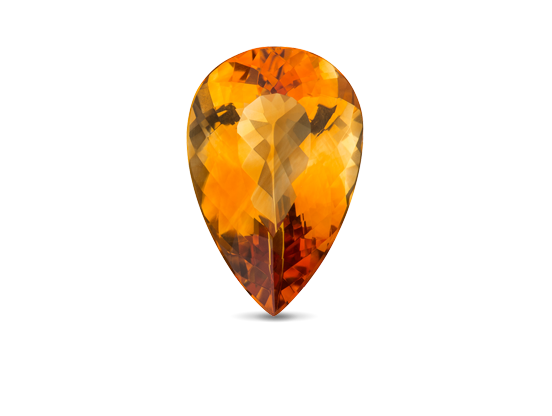
The name topaz comes from the Greek word Topazios, which was the name of a small island in the Red Sea (now called St. John’s Island). The ancient Greeks thought Topaz was a source of strength. Later on during the Renaissance period in Europe, Europeans believed Topaz could break the power of magic spells, and even get rid of anger. Furthermore, lots of people in India have believed for centuries that topaz, when worn above the heart, will help to bring about long life, beauty, and intellect. What a stone that is!
Throughout history, yellow gems were all considered to be topaz, and all topaz was though of as yellow. Of course we now know that topaz comes in many different colors, although pure topaz is completely colorless. Topaz, like other gems, gets its color from the natural impurities that occur within it, which can cause it to be any color. The most sought after color of topaz is imperial topaz, which is a strong orange hue with pink undertones.
Topaz comes from many different places around the world: the US (Utah, California, and New Hampshire), Mexico, Brazil, Nigeria, Namibia, Madagascar, Afghanistan, Sri Lanka, Myanmar, and more. In fact, topaz comes in some of the largest crystal specimens in the world. Some of the largest ones are measured in kilos, not carats! Can you imagine?
The other birthstone for November is citrine, a stone very similar in color to topaz. In fact, before modern gemology came about, citrine was very often confused with topaz. Citrine has been widely loved since even ancient times, and the first recorded use of its name in English goes back to 1385. There is quite a long history of the two stones being confused, as many different cultures referred to citrine as “gold topaz,” or “Spanish” topaz. The ironic thing is even though the two do resemble each other in terms of color, they are completely unrelated mineral species. People even believed that citrine had the same types of powers as topaz, including calming tempers and anger, and bringing about prosperity. In order to capitalize on these purported powers, Egyptians used citrine gems as talismans, ancient Greeks carved images into them, and Roman priests made them into rings.
Today citrine has become quite popular due to its durability as a hard stone, its affordability, and its attractive color. Natural citrine is the result of traces of iron and in quartz crystals and is pretty rare, as most citrines that are on the market are a result of a mid-18th century discovery where mineralogists figured out that amethyst and smoky quartz could be heat treated to produce a golden brown color. Because of this, most citrines on the market are made from heat treated amethyst and smoky quartz. Citrine has a hardness of 7 on the Mohs scale, which makes it very practical to stand up to everyday wear and tear. It is often used as a nice alternative for not just topaz, but also yellow sapphire.
To read more in depth, check out these sources we used:
https://www.gia.edu/topaz-description